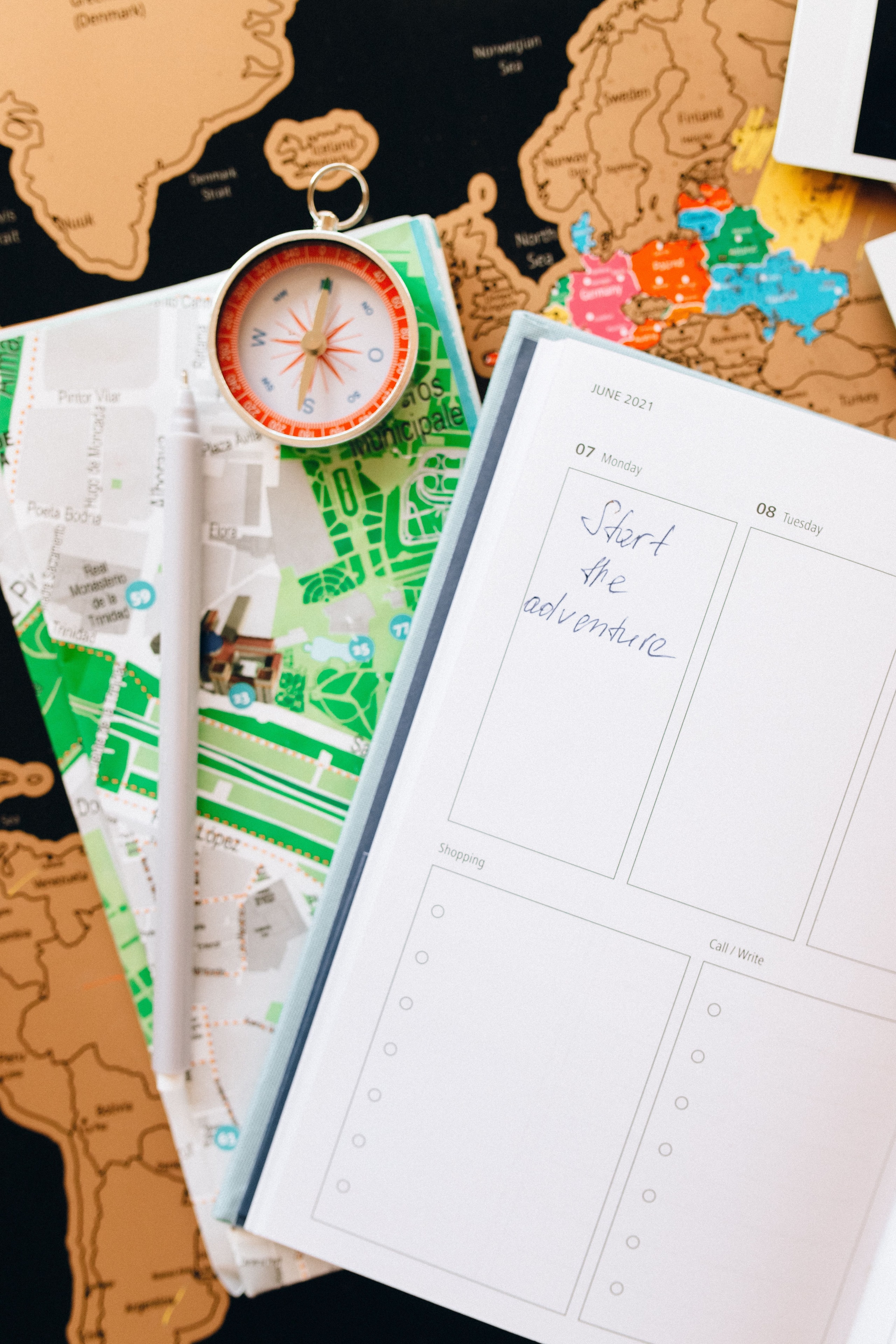
Some people come to the North Coast to sit on a beach. Others come to do things, move around, experience different activities.
Both are valid. But if you're in the second category, planning how activities fit into the week matters.
Sample 5-Day Adventure Itinerary
Day 1 (Arrival): Arrive mid-day, settle into accommodations, do a light beach walk in late afternoon, early dinner. No formal activities.
Day 2 (Waterfall): Full-day waterfall hike. Early start (meet guide at 7 AM), 2–3 hour hike, waterfall swim, return by early afternoon, rest, late afternoon beach walk, dinner at a restaurant you've scouted.
Day 3 (Rest/Light): No structured activities. Optional paddleboarding if you want, or simply beach time and exploration of a local town. Dinner reservation at a nicer restaurant.
Day 4 (Golf or Tour): Morning golf round (7:30 AM tee time, finish by noon), lunch, afternoon rest. Evening walk and casual dinner.
Day 5 (Water Activity): Boat-based snorkeling trip (early morning departure, back by mid-afternoon). Rest afterward, evening exploration.
Days 6–7: Lighter activities or repetition of favorites. Final beach time. Packing and departure.
This creates activity every day with built-in rest periods. You're not exhausted. You're doing something memorable regularly.
Mixing Activity Types
The best itineraries mix different kinds of activities.
- Physical: hiking, paddleboarding, golf (less physical but engaging).
- Educational: guided tours, cultural experiences, market visits.
- Relaxation: beach time, swimming, sunset sitting.
- Food-focused: good restaurants, local markets, potentially cooking classes.
- Social: activities with guides, group experiences, meals with people.
- Solo: walks, swimming, your own rhythm.
A good week hits multiple categories. You're not hiking every day or sitting on the beach every day. You're doing different things in different ways.
Pacing & Rest Days
The worst vacation mistake is treating vacation like work — packing activities and optimizing time usage.
Actual good vacation rhythm includes time with nothing scheduled. Time to sit and read. Time to move without purpose.
Suggested rhythm: 3–4 structured activity days, 2–3 lighter or no-activity days.
This isn't inefficient. It's necessary. You can't actually remember a vacation if you're exhausted from over-scheduling.
Booking & Logistics
Advance booking: optional. You can often book activities 1–2 days in advance and have good availability.
Accommodations coordination: most hotels and condos can arrange activities and provide recommendations.
Transportation: rental car is convenient but not necessary. Taxis and included transportation (many activities include pickups) work fine.
Cost: for a week with 3–4 activities, expect $200–$400 in activity costs. This is quite affordable.
Flexibility: don't over-book. Weather affects some activities. You might want to do an activity again instead of something new. Flexibility is important.
Sample Itineraries for Different Interests
Golfer's week: two rounds of golf (Playa Dorada and Cofresi), one guided tour, rest beach and relaxation.
Active person's week: one waterfall hike, one paddleboarding day, one guided tour, rest beach and swimming.
Culinary focused: multiple restaurant experiences, one market tour, one cooking class, rest beach time.
Family week: waterfall hike, snorkeling boat trip, beach time, local exploration, rest days for regrouping.
Family Activities on the North Coast: Adventures for All Ages
Family vacations require a different calculus than adult vacations. You're not optimizing for your preference but for what works for kids at various ages, combined with adult interests.
The North Coast accommodates this reasonably well. It's not a theme park. It's a place where families can genuinely live for a week rather than manage logistics.
Best Beaches for Families & Young Children
Sosúa Beach is the most family-friendly. The water is calm. The beach is wide. The sandy bottom extends for distance, so kids can play without steep drop-offs. Facilities — restaurants, bathrooms, shade — are nearby and readily accessible.
Encuentro Beach requires more management but is doable with older kids. The water has more motion. There are designated swimming areas that are safer than everywhere. The beach itself is excellent.
Cabarete Beach is middle-ground. Calmer than Encuentro, more activity than Sosúa.
General family beach practice: go early (before noon), stay 2–3 hours maximum with young kids, provide shade, provide water to drink, use reef shoes to prevent cuts, and have a plan for if someone gets hurt or tired.
Age-Appropriate Activities: Toddlers to Teens
Toddlers (1–3):
- Beach playing — sand, shallow water, shells
- Pool time if available
- Walks around town
- Short local drives to see new things
- These kids need simplicity and frequent breaks
Preschool (4–5):
- Beach time with slightly more independence
- Very short hikes (less than an hour)
- Snorkeling in shallow water with flotation and supervision
- Visiting animals or markets
- Pool time
Elementary school (6–11):
- Waterfall hikes (they can handle 1.5–2 hour hikes)
- Snorkeling from boats (full snorkeling experience)
- Beach paddleboarding or kayaking
- Exploring towns on foot
- Swimming and water play
Teens (12+):
- Full waterfall hikes
- Snorkeling, paddleboarding, other water activities
- Tours and cultural activities
- Beach time and more independence to explore
Kid-Friendly Dining & Food Adventures
Most restaurants accommodate families. Casual restaurants are more relaxed than fancy ones. You can eat with kids without stress.
Food kids typically like: rice and beans, chicken, fruit, bread. Local options are less adventurous than tourist-focused restaurants.
Taking kids to local markets teaches them about food. They see what's available, meet vendors, understand where things come from. This is educational and genuinely fun.
Eating on a schedule is important with kids. Large gaps without food create crankiness. Regular snacking and meal times help.
Safety & Logistics for Family Travel
Sun management: kids burn faster than adults. Sunscreen, shade, and timing matter. Protect kids seriously.
Hydration: kids need water constantly. Dehydration sneaks up. Always have water available.
Swimming safety: never take your eyes off kids in water. Even shallow water with calm conditions. This is non-negotiable.
Activity pacing: kids tire differently than adults. What seems like a short hike to you might be long for a child. Be realistic and flexible.
Nap time: kids often need naps even on vacation. Building nap time into the schedule is important. You're not losing vacation time; you're enabling the rest of the day.
Managing Activity Levels
If you're not used to activity or hiking, take it slower than you think you should.
If you're very active and could do more, that's fine. But pushing intensity causes exhaustion and decreases enjoyment.
Good activity pacing leaves you wanting to do things on the last day, not wishing vacation was over. The nature adventures on the North Coast are some of the most memorable you'll find in the Caribbean. For those who want to go deeper on foot, the hiking trails range from easy coastal walks to full waterfall hikes. And when you're ready to hand the planning to someone who knows the terrain, guided tours are the most efficient way to see the best of it.