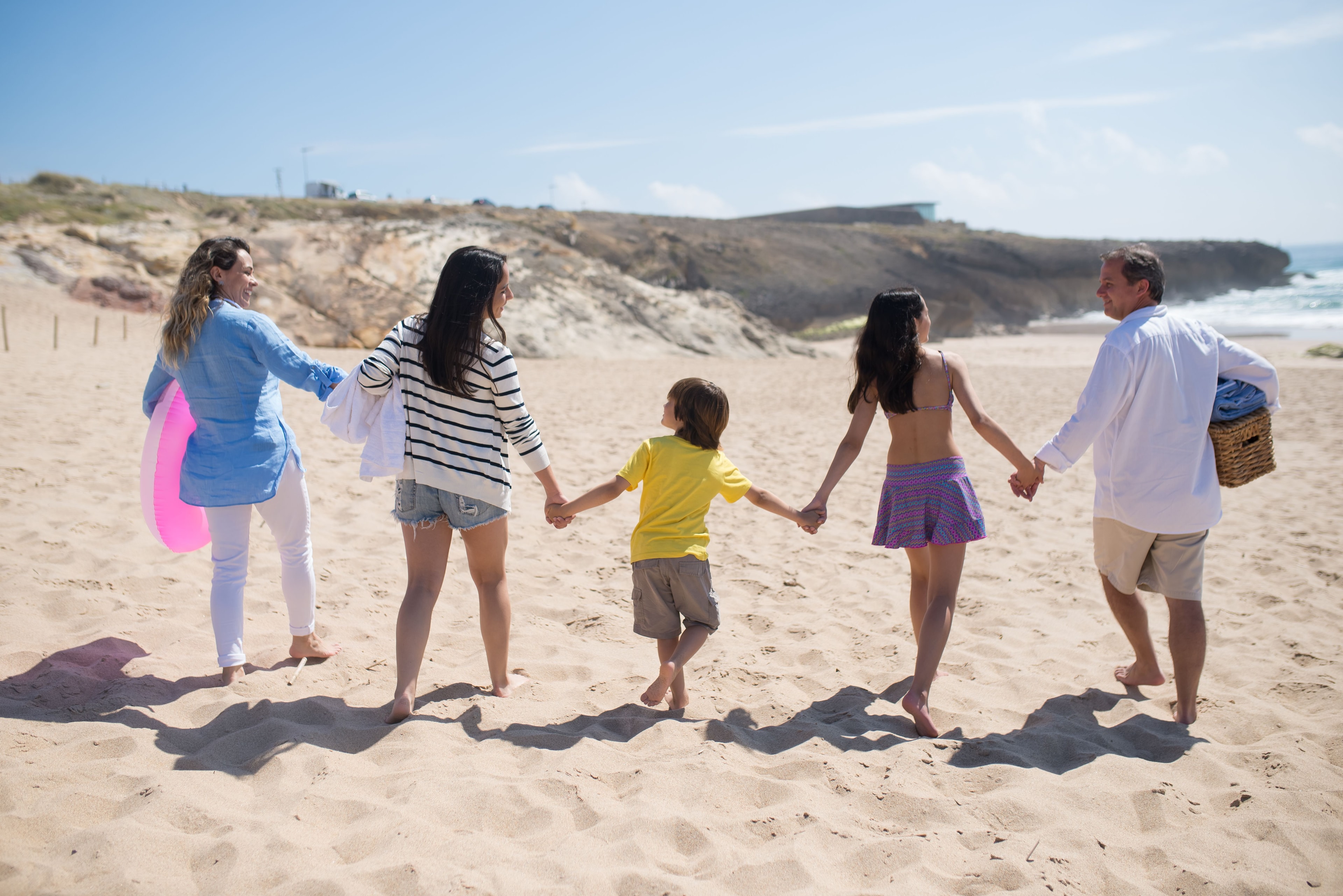
Family vacations require a different calculus than adult vacations. You're not optimizing for your preference but for what works for kids at various ages, combined with adult interests.
The North Coast accommodates this reasonably well. It's not a theme park. It's a place where families can genuinely live for a week rather than manage logistics.
Best Beaches for Families & Young Children
Sosúa Beach is the most family-friendly. The water is calm. The beach is wide. The sandy bottom extends for distance, so kids can play without steep drop-offs. Facilities — restaurants, bathrooms, shade — are nearby and readily accessible.
Encuentro Beach requires more management but is doable with older kids. The water has more motion. There are designated swimming areas that are safer than everywhere. The beach itself is excellent.
Cabarete Beach is middle-ground. Calmer than Encuentro, more activity than Sosúa.
General family beach practice: go early (before noon), stay 2–3 hours maximum with young kids (they burn out), provide shade, provide water to drink, use reef shoes to prevent cuts, and have a plan for if someone gets hurt or tired.
Age-Appropriate Activities: Toddlers to Teens
Toddlers (1–3)
- Beach playing — sand, shallow water, shells
- Pool time if available
- Walks around town
- Short local drives to see new things
- These kids need simplicity and frequent breaks
Preschool (4–5)
- Beach time with slightly more independence
- Very short hikes (less than an hour)
- Snorkeling in shallow water (with flotation and supervision)
- Visiting animals or markets
- Pool time
Elementary School (6–11)
- Waterfall hikes (they can handle 1.5–2 hour hikes)
- Snorkeling from boats — full snorkeling experience
- Beach paddleboarding or kayaking
- Exploring towns on foot
- Swimming and water play
Teens (12+)
- Full waterfall hikes
- Snorkeling, paddleboarding, other water activities
- Tours and cultural activities
- Beach time (some teens still enjoy it, some prefer activities)
- More independence to explore
Kid-Friendly Dining & Food Adventures
Restaurants with kids: most restaurants accommodate families. Casual restaurants are more relaxed than fancy ones. You can eat with kids without stress.
Food kids typically like: rice and beans, chicken, fruit, bread. Local options are less adventurous than tourist-focused restaurants.
Markets as activity: taking kids to local markets teaches them about food. They see what's available, meet vendors, understand where things come from. This is educational and fun.
Cooking with kids: some local cooks offer family cooking classes. This is fun and teaches food skills.
Meals: eating on a schedule is important with kids. Large gaps without food create crankiness. Regular snacking and meal times help.
Safety & Logistics for Family Travel
Sun management: kids burn faster than adults. Sunscreen, shade, and timing matter. Protect kids seriously.
Hydration: kids need water constantly. Dehydration sneaks up. Always have water available.
First aid: bring basic first aid supplies. Small cuts, insect bites, and bumps happen. Having bandages and antiseptic prevents small issues from becoming problematic.
Medical care: the North Coast has adequate medical care if needed. But preventing problems is better.
Swimming safety: never take your eyes off kids in water. Even shallow water with calm conditions. This is non-negotiable.
Activity pacing: kids tire differently than adults. What seems like a short hike to you might be long for a child. Be realistic and flexible.
Nap time: kids often need naps even on vacation. Building nap time into the schedule is important. You're not losing vacation time; you're enabling the rest of the day.
Gear: bring kid-specific supplies — child's life jacket for water activities, reef shoes for little feet, hat for sun protection, bug repellent.
Managing Family Dynamics
Balance: parents need activities too. Some activities are just for kids, some are for adults, some are family. Balance prevents resentment.
Expectations: families often put pressure on vacation to be perfect. It won't be. Kids get cranky. Plans change. This is normal.
Flexibility: your planned itinerary will change. Be okay with this. The best family memories often come from unplanned moments.
Partner balance: if two adults are present, taking turns with solo responsibility — one adult with kids while the other rests or does something solo — helps prevent burnout.
Downtime: everyone needs time to just exist without agenda. Building this in prevents the vacation from becoming stressful.
The Value of Family Travel
The North Coast is genuinely livable for families. You're not managing a resort. You're living in a place. This is different and valuable.
Kids learn that places exist outside their normal context. They see how different communities live. They learn adaptability.
Families who travel together develop shared memories and experiences. These matter.
The North Coast, specifically, is low-pressure family travel. It's not expensive. It's not extremely demanding. It's accessible and manageable and genuinely nice. For a full guide to water activities that work for different ages, there's something for everyone from toddlers to teens. And knowing the best beaches for families before you arrive makes the whole trip easier to plan.