Dominican food emerged from geography, climate, available ingredients, and history. It's not fancy, but it's genuine. Learning to eat it properly changes how you understand the place.
Iconic Dishes & What They Are
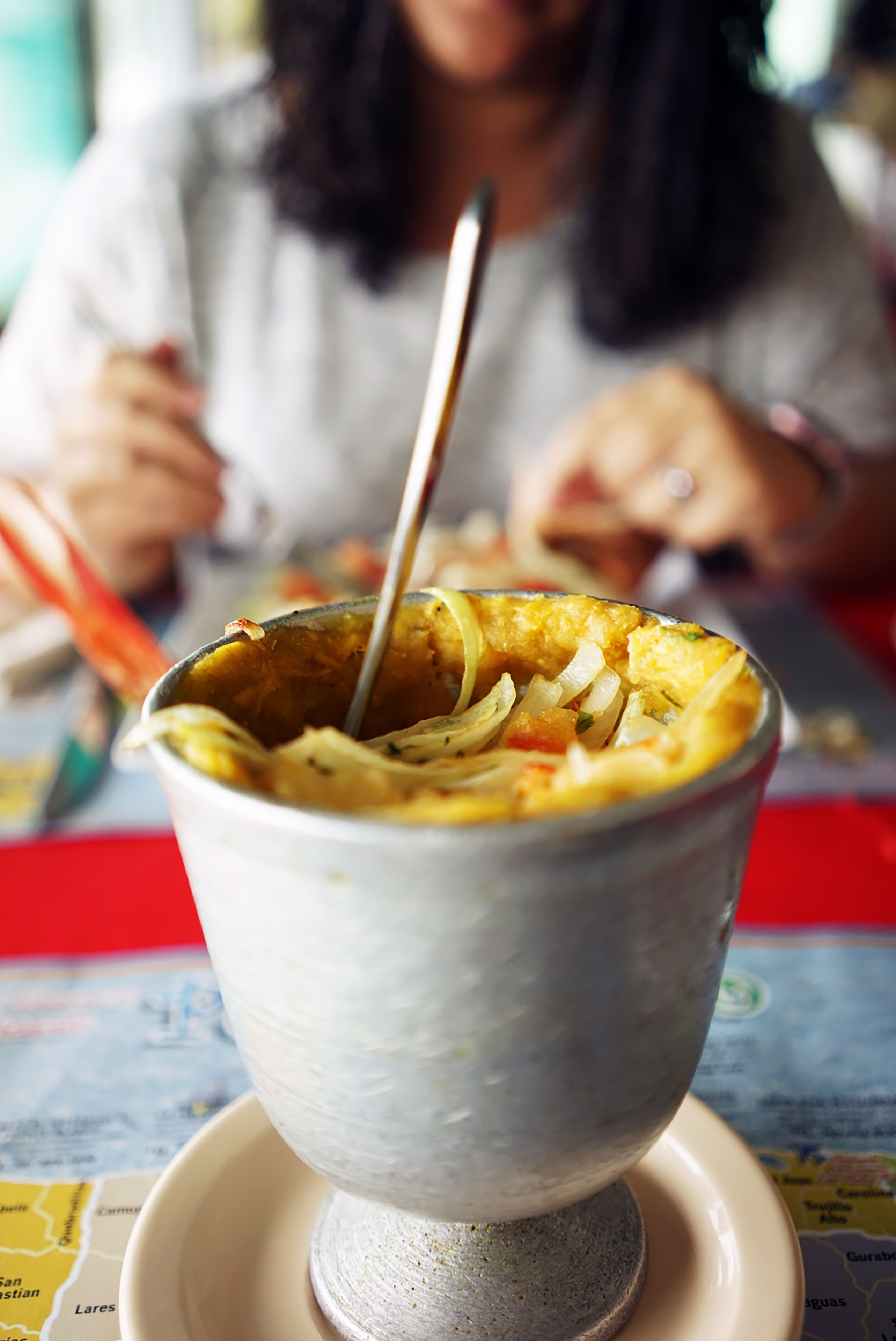
Mofongo: Mashed plantain mixed with broth and typically meat or seafood. It's filling, somewhat heavy, and excellent. A standard lunch dish. Cost $8–15.
When to eat: lunch, when it's most common.
How to eat: it's typically served as one mound on a plate. Dig in with a spoon. It goes well with broth (available at the side) and meat or seafood mixed throughout.
What makes it good: texture that's neither too smooth nor too chunky, broth that penetrates without turning it to paste, quality seafood or meat.
Rice and beans: Called arroz con habichuela, this is the base of many meals. Rice cooked with small beans (typically red beans), sometimes with meat.
When to eat: any time, typically served with most meals as a side or base.
What makes it good: beans fully cooked, rice that's not mushy or hard, flavor from whatever's mixed in.
Sancocho: A thick stew with meat, vegetables, and starch. Traditionally a lunch dish and somewhat heavy.
When to eat: lunch, particularly on cooler days.
What makes it good: long cooking that develops flavor, quality meat, vegetables cooked thoroughly without disintegration.
Tostones: Fried plantain slices, somewhat flattened, sometimes fried twice. Crispy, somewhat savory.
When to eat: any time, often as a side or snack. Eat them while they're hot — they're good with salt or a dipping sauce.
What makes it good: crispy exterior, not greasy, cooked at proper temperature.
Salami frito: Fried Dominican salami — a specific type, not thin-sliced salami. Crispy, salty, and often eaten for breakfast on its own or with eggs and cheese.
Mangú: Mashed plantain with onions and sometimes butter or cheese. Simpler than mofongo, often for breakfast or as a side.
What makes it good: plantains at the right ripeness (not too green, not too ripe), onions cooked but not dissolved, good butter or cheese if included.
Ceviche: Raw fish cured in lime juice with vegetables. Light, fresh, and sophisticated despite being simple.
When to eat: lunch typically, sometimes as an appetizer. Eat with a fork, possibly with tortilla chips or crackers.
What makes it good: absolutely fresh seafood, proper curing time, good lime juice, vegetables that are fresh but not overly processed.
Habichuelas guisadas: Stewed beans, often a breakfast side. Beans cooked until very soft, usually with tomato, onion, and garlic. Thick and hearty, eaten with a spoon.
Street Food & Local Specialties
Beyond formal restaurants, street food and informal eating exists throughout the North Coast.
Empanadas: fried pastry with meat or cheese inside. Cost $1–3. Found at food stands, bakeries, and markets.
Pastelitos: larger fried pastry with filling. Similar to empanadas but bigger.
Quipes: fried bulgur filled with meat. Cost $1–2.
Arepa: in Dominican context, typically corn bread, sometimes filled. Different preparation than Venezuelan arepas.
Boiled cassava, yuca, plantain: sold at stands, often with salt and cheese. Simple, filling, cheap.
Fresh fruit: mango, passion fruit, guanabana sold by vendors — peeled and served with lime and salt.
Batidas: blended fruit drinks, typically with milk. Fresh and delicious.
Street food is generally safe, particularly from busy stands. High turnover means freshness.
Regional Variations Across the North Coast
The North Coast is relatively small, but variations exist.
Cabarete emphasizes fresh seafood due to proximity to fishing and better access to certain fish species.
Sosúa has more established restaurants and more fusion cooking due to tourism.
Encuentro is less developed but has excellent authentic options and newer restaurants opening.
Smaller towns inland have more traditional Dominican food, less tourism adaptation. For authentic food, inland towns offer more. For convenience, the main beaches offer more.
Timing Meals: Dominican Rhythm
The Dominican meal rhythm differs from many tourists' expectations.
Breakfast: 6–8 AM, typically simple. Eggs, salami frito, mangú, bread, cheese, coffee.
Lunch (almuerzo): noon–2 PM, the main meal. This is when restaurants serve their best food. Most people eat their biggest meal at lunch.
Dinner (cena): 7–9 PM, typically lighter than lunch. Sometimes sandwiches, sometimes leftovers from lunch, sometimes another full meal.
Restaurants are busiest during lunch. Food is fresher during lunch. If you want authentic local food, eat lunch.
Dining Etiquette & Cultural Considerations
Family meals: meals are social. People linger. Conversations happen.
Eating pace: slower than a typical American pace. This is normal and fine.
Payment: expected after eating, not during. You finish eating, then ask for the bill.
Sharing: in some contexts, sharing dishes is normal.
Trying things: if offered something to try, accepting is polite and often rewarding.
Language: speaking some Spanish is appreciated even if English works.
Respect for food: food is prepared with effort. Appreciation — finishing food, compliments to the cook — is appropriate.
Understanding Authenticity
Authentic Dominican food isn't "fancy" or "innovative." It's food made the way it's always been made, with available ingredients, using techniques passed down through generations.
It's not meant to impress. It's meant to nourish and be enjoyable.
Understanding this changes how you approach it. You're not eating Dominican food as a culinary experience. You're eating what people eat for actual meals. This is actually better than culinary experiences. This is life.
Building Your Dominican Food Knowledge
Days 1–2: eat at mid-range restaurants, try classic dishes, ask for recommendations.
Days 3–4: eat at local restaurants, navigate Spanish menus, try street food.
Days 5–6: eat at fine dining once, return to local favorites, explore neighborhoods.
Day 7+: eat like a local — favorite restaurants, minimal planning.
This progression helps you understand Dominican food rather than just eating it. For a curated list of the best restaurants to put this knowledge to use, the North Coast has options at every price point. And if you want to go deeper into the food culture, the food tours here turn eating into genuine education.